Recovery, Mobility, and Low-Impact Training: The Fitness You're Probably Missing
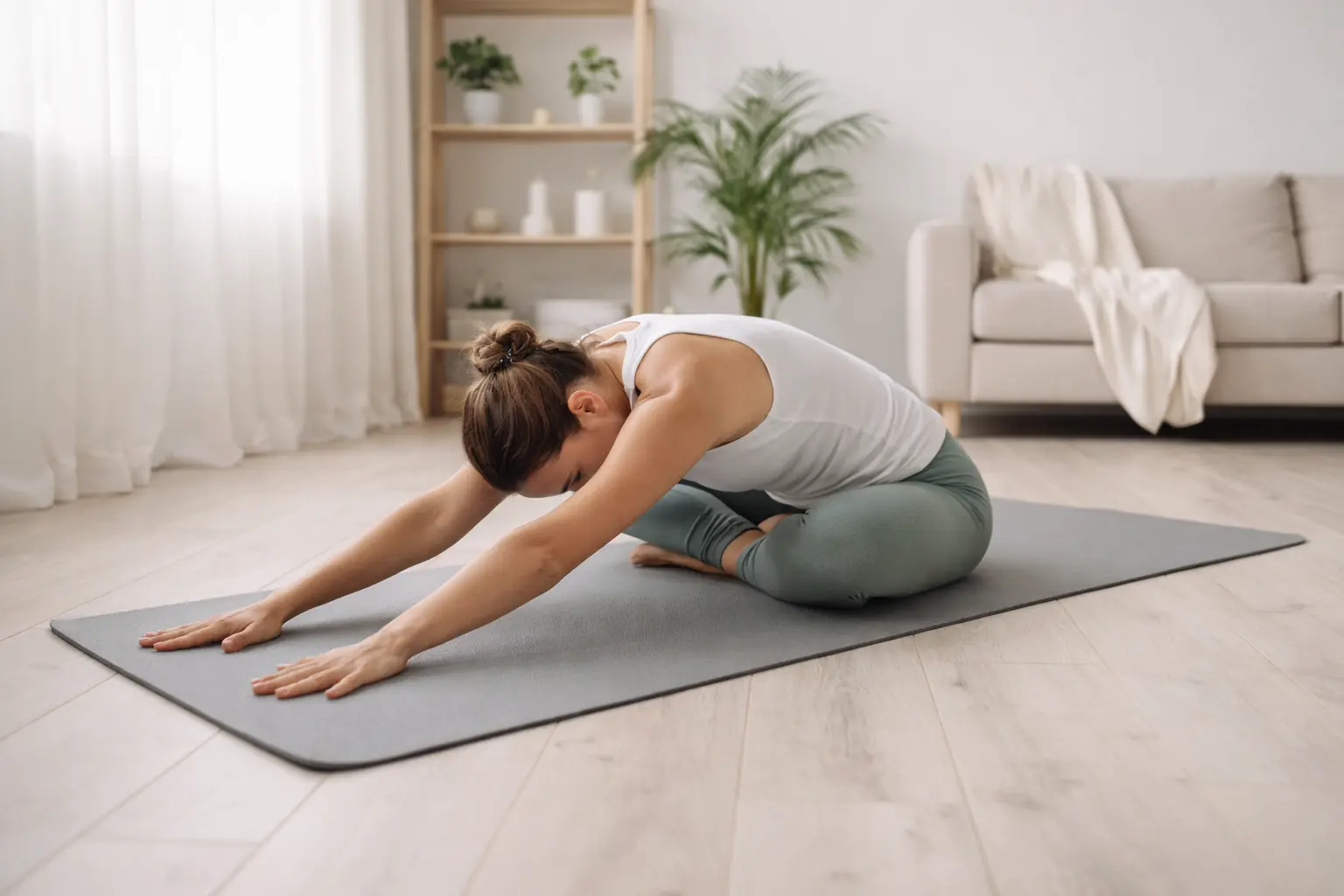
Table of Contents — Recovery, Mobility, and Low-Impact Training: The Fitness You're Probably Missing
- Why Recovery Is Part of Training
- What Mobility Actually Means
- Low-Impact Training for Everyone
- Breathwork: The Free Performance Boost
- Building a Recovery Routine
- Sample Weekly Schedule
- Tracking Your Progress
- Common Questions
Why Recovery Is Part of Training
Most fitness advice focuses on doing MORE. More workouts. More intensity. More sweat.
But here's what people miss: you don't get stronger during workouts. You get stronger during recovery.
Exercise creates stress. It damages muscle fibers (slightly). It depletes energy stores. It tires your nervous system.
Recovery is when your body repairs that damage, builds new muscle, and comes back stronger.
Skip recovery? You're just accumulating damage without the benefit. That's how injuries happen. That's how burnout happens. That's how people quit fitness entirely.
The fittest people you know? They take recovery seriously. They understand that rest IS training.
What Mobility Actually Means
Mobility is your body's ability to move through its full range of motion with control.
It's not the same as flexibility. Flexibility means you CAN reach a position (like touching your toes). Mobility means you can CONTROL movement through that range (like doing a full squat with good form).
Why Mobility Matters
Modern life attacks your mobility. Sitting all day shortens your hip flexors. Hunching over screens rounds your shoulders. Rarely moving through full ranges lets joints stiffen.
The result? Tight hips, sore backs, stiff necks, and movements that feel difficult.
Good mobility means:
- Less pain. Joints that move well hurt less.
- Better workouts. Full range of motion means better exercises.
- Fewer injuries. Mobile bodies handle unexpected movements better.
- Longevity. Staying mobile keeps you independent as you age.
The Mobility Killers
Sitting. Hip flexors shorten. Glutes switch off. Upper back rounds.
Phones. Neck cranes forward. Shoulders round inward.
Repetitive movement. Same motions every day without balance.
No full-range movement. If you never squat deep or reach overhead, you lose those abilities.
Mobility vs Stretching
Stretching helps flexibility. Mobility training helps control.
A 10-minute stretching routine is nice. But actively moving through ranges — like deep squats, shoulder circles, hip rotations — builds lasting mobility.
Low-Impact Training for Everyone

Low-impact training is exercise that's easy on your joints while still building fitness.
It doesn't mean "easy." You can get a serious workout without jumping, pounding, or straining joints.
Who Benefits
Everyone. But especially:
- People recovering from injury
- Anyone with joint issues
- Older adults
- People new to exercise
- Athletes in recovery phases
- Anyone who wants to exercise more without breaking down
Types of Low-Impact Training
Walking. Simple, free, underrated. A 30-minute walk builds cardiovascular fitness, burns calories, and clears your head.
Swimming. Water supports your weight. Full-body workout with zero impact.
Cycling. Knees move without bearing load. Great for legs and heart.
Rowing. Full body, low impact, serious calorie burn.
Elliptical. Running motion without the pounding.
Yoga. Builds strength, mobility, and body awareness.
Pilates. Core strength and control. Often underestimated.
Resistance bands. Strength training that's gentle on joints.
Low-Impact ≠ Low Benefit
Don't confuse low-impact with ineffective. Research shows:
- Walking 30 minutes daily reduces heart disease risk by 30%
- Swimming builds muscle and cardiovascular fitness simultaneously
- Yoga improves balance, strength, flexibility, and mental health
You don't need to destroy yourself to get fit. Consistent, sustainable movement beats occasional intense sessions.
Use the Calorie Calculator to understand how these activities fit into your energy balance.
Breathwork: The Free Performance Boost
Breathing seems automatic. You don't have to think about it. But HOW you breathe affects everything from stress levels to athletic performance.
Why Breath Matters
Your breath connects your nervous system to your conscious control.
Stressed? Your breathing is fast and shallow. Relaxed? Your breathing is slow and deep.
Here's the trick: it works both ways. You can change your breathing to change your state.
Simple Techniques
Box Breathing (4-4-4-4)
- Inhale for 4 seconds
- Hold for 4 seconds
- Exhale for 4 seconds
- Hold for 4 seconds
- Repeat 4-8 times
Good for: Calming down, improving focus, pre-sleep relaxation.
Diaphragmatic Breathing
- Place hand on belly
- Breathe so your belly rises (not chest)
- Exhale fully
- Focus on the belly expanding
Good for: Default breathing pattern, reducing tension, connecting to calm.
4-7-8 Relaxation
- Inhale for 4 seconds
- Hold for 7 seconds
- Exhale for 8 seconds
- Repeat 3-4 times
Good for: Falling asleep, deep relaxation, stress relief.
When to Use Breathwork
- Morning. Start the day calm and focused.
- Before workouts. Prepare your body and mind.
- During rest periods. Recover faster between sets.
- Before sleep. Signal your body to wind down.
- Stressful moments. Reset your nervous system quickly.
The best part? It's free, takes minutes, and works immediately.
Building a Recovery Routine
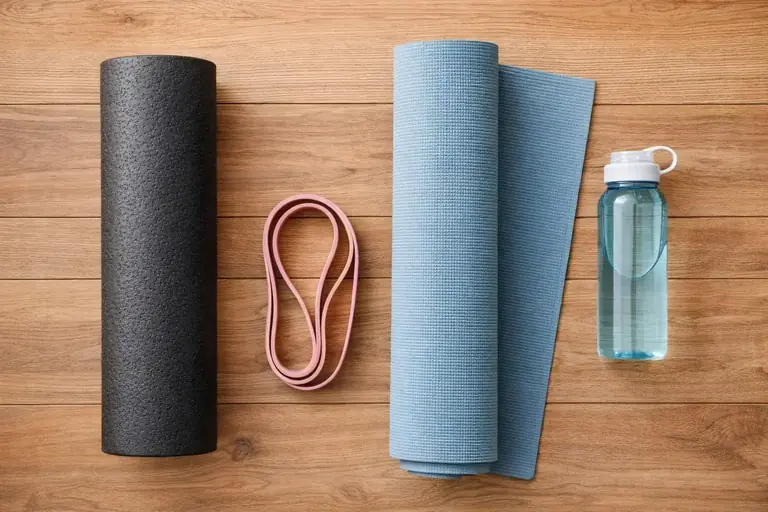
Recovery isn't just "not exercising." Active recovery helps you bounce back faster than complete rest.
Daily Recovery Habits
Sleep. The foundation. 7-9 hours for most adults. Everything else is secondary if sleep is poor.
Hydration. Muscles need water to repair. Aim for 2-3 liters daily, more if active.
Movement. Light activity promotes blood flow and healing. A short walk beats lying on the couch.
Nutrition. Protein for muscle repair. Carbs to refuel. Whole foods beat supplements.
Weekly Recovery Sessions
Include 1-2 dedicated recovery sessions in your week:
Active recovery workout (20-30 minutes):
- 5 min easy walking or cycling
- 10 min mobility drills (hip circles, shoulder rotations, spine twists)
- 10 min stretching (hold each stretch 30-60 seconds)
- 5 min breathwork
Yoga or Pilates class:
- Many options available online, free
- Combines mobility, strength, and relaxation
- 30-60 minutes
Recovery Tools
Some tools help. Others are marketing.
Helpful:
- Foam roller (self-massage, breaks up tension)
- Lacrosse ball (targets specific tight spots)
- Resistance bands (mobility work, light exercise)
- Yoga mat (comfortable floor work)
Maybe helpful:
- Massage gun (some people love them, not essential)
- Compression boots (expensive, marginal benefit for most)
Save your money:
- Most supplements claiming "recovery" benefits
- Expensive gadgets with questionable science
Listening to Your Body
The best recovery tool is awareness.
Signs you need more recovery:
- Constant soreness that doesn't fade
- Workouts feel harder than usual
- Poor sleep despite tiredness
- Irritability or low motivation
- Getting sick more often
When these appear, take a recovery day (or week). It's not weakness. It's smart.
Sample Weekly Schedule
Here's how to balance training and recovery. Adjust to your life.
Balanced Week (General Fitness)
| Day | Focus | Duration | Notes | |-----|-------|----------|-------| | Monday | Strength workout | 45 min | Full body or upper/lower split | | Tuesday | Mobility + breathwork | 30 min | Hip focus, relaxation breathing | | Wednesday | Low-impact cardio | 40 min | Walking, cycling, or swimming | | Thursday | Yoga or Pilates | 45 min | Online class or studio | | Friday | Strength workout | 45 min | Full body or upper/lower split | | Saturday | Active recovery | 30-60 min | Long walk, easy swim, or hike | | Sunday | Full rest | — | Sleep in, relax, recharge |
Busy Week (Minimal Time)
| Day | Focus | Duration | |-----|-------|----------| | Monday | Strength + mobility | 30 min | | Tuesday | Walk | 20 min | | Wednesday | Rest | — | | Thursday | Strength + mobility | 30 min | | Friday | Walk | 20 min | | Saturday | Yoga video | 20 min | | Sunday | Rest | — |
Even 2 hours total per week beats zero. Consistency matters more than duration.
Recovery-Focused Week (After Hard Phase)
| Day | Focus | Duration | |-----|-------|----------| | Monday | Easy walk | 30 min | | Tuesday | Mobility + breathwork | 30 min | | Wednesday | Swimming (easy) | 30 min | | Thursday | Yoga | 45 min | | Friday | Walk + stretching | 40 min | | Saturday | Very easy activity | 30 min | | Sunday | Full rest | — |
Use this after intense training blocks, when feeling run down, or when recovering from illness.
Tracking Your Progress
Recovery and mobility improvements are subtle. Tracking helps you see changes.
What to Track
Subjective:
- Energy levels (1-10 daily)
- Soreness (1-10 daily)
- Sleep quality (1-10)
- Mood (1-10)
Objective:
- Resting heart rate (lower is generally better recovery)
- Heart rate variability if you have a tracker (higher = better recovery)
- Mobility tests (can you touch toes? Squat fully? Reach overhead?)
Simple Mobility Tests
Squat depth. Can you sit in a full squat, heels down, comfortably for 30 seconds?
Toe touch. Standing straight, can you touch your toes without bending knees?
Shoulder reach. Reach one hand over shoulder, one behind back. Can fingers touch?
Hip hinge. Can you bend forward from hips, keeping back flat, without rounding?
Retest monthly. Progress might be slow, but it adds up.
Using Calculators
The BMI Calculator tracks body composition trends.
The Body Fat Calculator shows if recovery is supporting lean muscle.
The Calorie Calculator ensures you're eating enough to recover.
Common Questions
How much recovery do I need?
Most people need 1-2 full rest days per week. Active recovery (light movement) on other days helps. More intense training requires more recovery.
Can I do too much recovery?
Not really. But you can do too little actual training. If you're doing 5 recovery days and 2 training days, you might need to flip that ratio.
Is stretching enough for mobility?
Stretching helps flexibility but not necessarily control. Active mobility drills — moving through ranges, not just holding positions — build better functional mobility.
Do I need a foam roller?
It helps. It's not magic. 5-10 minutes of foam rolling before or after workouts can reduce soreness and improve how you feel. Not essential, but useful.
How do I know if I'm recovered?
Good signs: normal energy, motivation to train, normal resting heart rate, soreness has faded. Bad signs: still tired, dreading workouts, elevated resting heart rate, lingering soreness.
What if I hate yoga?
Try a different style. Yoga varies hugely — from intense power yoga to gentle restorative. If you've tried one style and hated it, another might click.
Alternatives: Pilates, tai chi, mobility flows on YouTube, or just build your own stretch routine.
How long until I notice mobility improvements?
Small improvements in 2-4 weeks. Significant changes in 2-3 months. Like strength, mobility builds slowly but consistently.
Should I stretch before or after workouts?
Before: Dynamic stretches (moving) — leg swings, arm circles, hip rotations. Prepares muscles for work.
After: Static stretches (holding) — hold positions for 30-60 seconds. Helps cooldown and builds flexibility.
The Long View
Recovery and mobility aren't exciting. Nobody posts about their breathwork session or foam rolling routine.
But here's what happens when you take them seriously:
- You train more consistently because you're not injured
- You perform better because your body moves well
- You enjoy fitness more because it doesn't hurt
- You stay active for decades, not just months
The people still exercising at 60, 70, 80? They didn't just grind hard in their 20s. They trained smart. They recovered well. They kept their bodies moving through full ranges of motion.
That's the goal. Not just fitness now, but fitness for life.
Start with one thing. Maybe it's 10 minutes of mobility work after your next workout. Maybe it's a 15-minute walk on rest days. Maybe it's three deep breaths before bed.
Small additions. Big results over time.
Related Tools
- BMI Calculator — Track body composition
- Body Fat Calculator — Monitor changes
- Calorie Calculator — Fuel your recovery
- Fitness Calculator — Estimate activity calories